
Film details
- Director
- Óscar Pérez
- Country
- Spain
- Duration
- 29 min
- Language
- Spanish
- Writer
- Óscar Pérez
- Editor
- Óscar Pérez
- Cinematographer
- Luis Bascuñana
- Producer
- Óscar Pérez
- Cast
- Jordan Blasco
Director’s statement
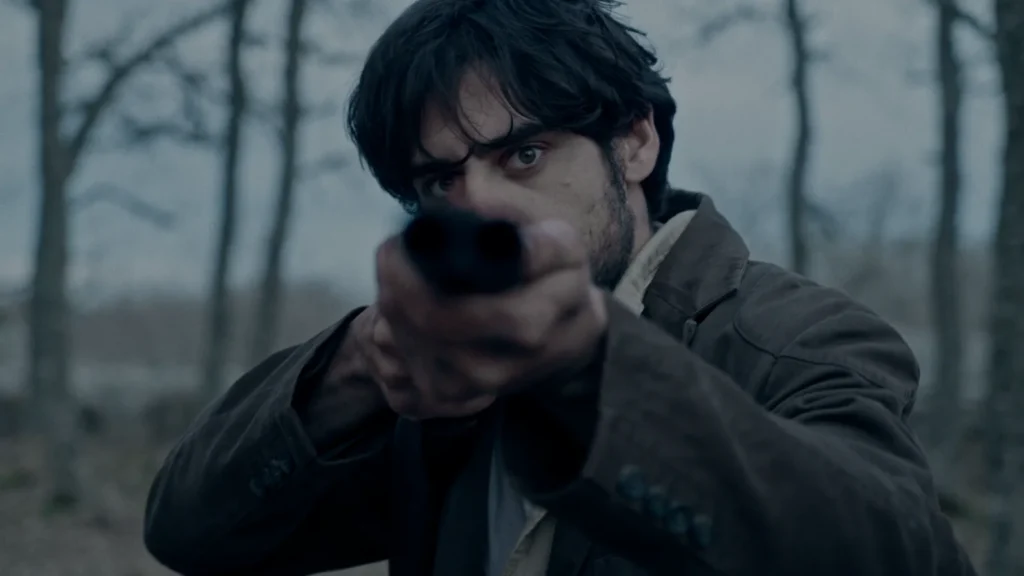
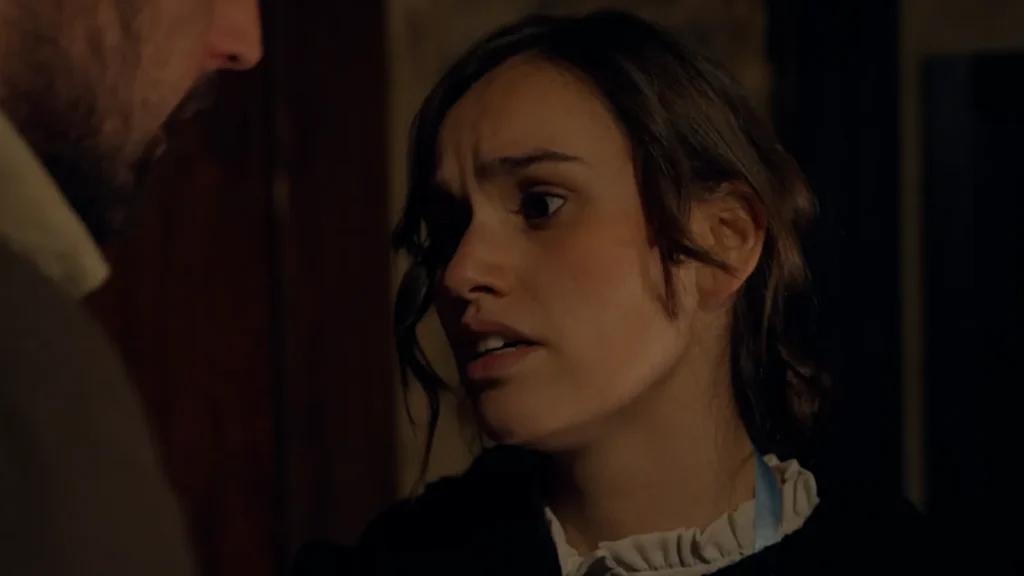
The intention behind Septeno is to develop it into a feature-length film. The project was born from a desire to explore the deepest roots of the villages in the Sierra de Francia, such as Miranda del Castañar and La Alberca—their traditions, people, and legends. Set in 1961, in a completely isolated environment, this story blends family drama, rural western, and psychological horror to create its own mythology: creatures that emerge every seven years to feed on human fear.
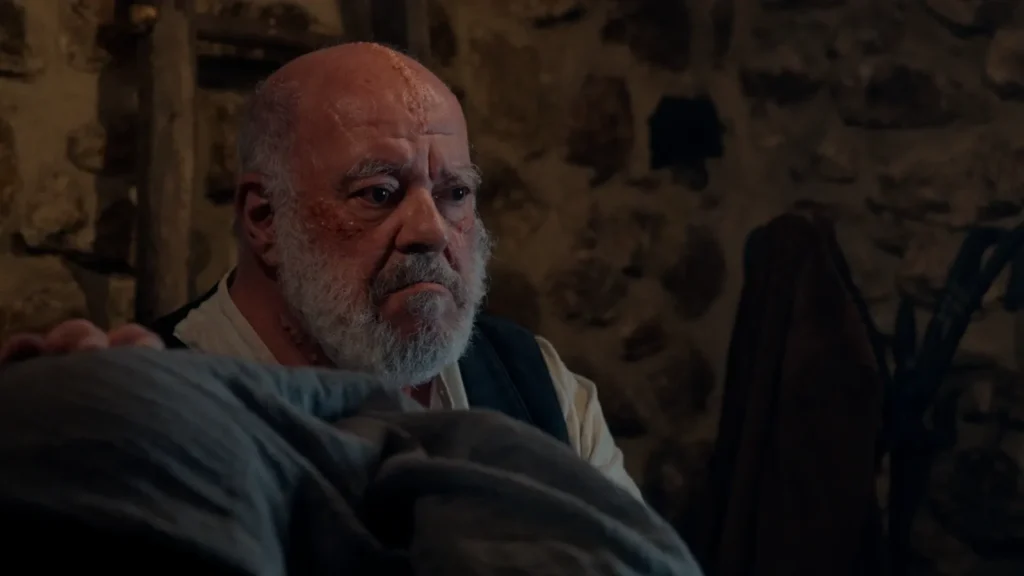
Septeno draws inspiration from real conversations with people from these villages who lived through an era marked by poverty, repression, and self-sufficiency. Pedro, the protagonist, represents a humble man struggling to protect what little he has, while his uncle Tomás embodies ambition and disdain for the land and its roots.
The story began in late 2023 as an idea for a short film and evolved over more than a year of work into this project. It was made possible thanks to a dedicated, creative, and committed team, determined to make films in locations that might initially seem improbable—working with limited technical resources but driven by a passion for storytelling.
Within these villages, legends and traditions always persist. While this story is not a real legend, it could be understood as a compilation of legends forming a complete narrative, where these creatures—revealed only at the end—emerge from the forest floor every seven years to attack humans.
In just a few moments, the story conveys the weight of a specific time and situation in Spain. The screenplay integrates real references: testimonies of people who recounted their lives, ancestors, and traditions. Rural Spain in the 1960s was isolated, surrounded by mountains, with a harsh and poor way of life. I was interested in exploring the isolation of these villages, where news arrived slowly, politics was experienced from a distance, and fear was transmitted through stories and superstitions. This mix of real context and myth inspired me to write the story.
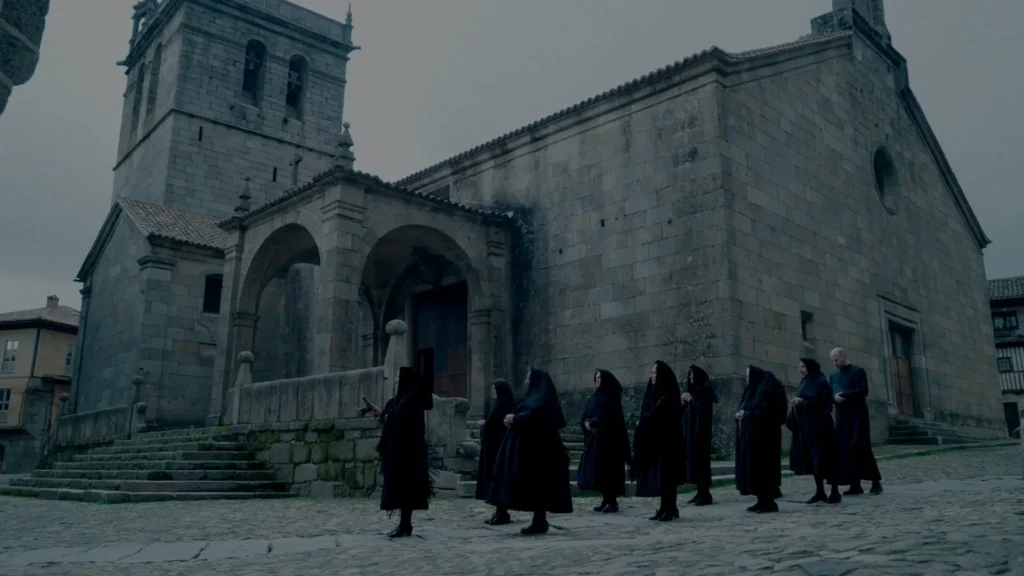
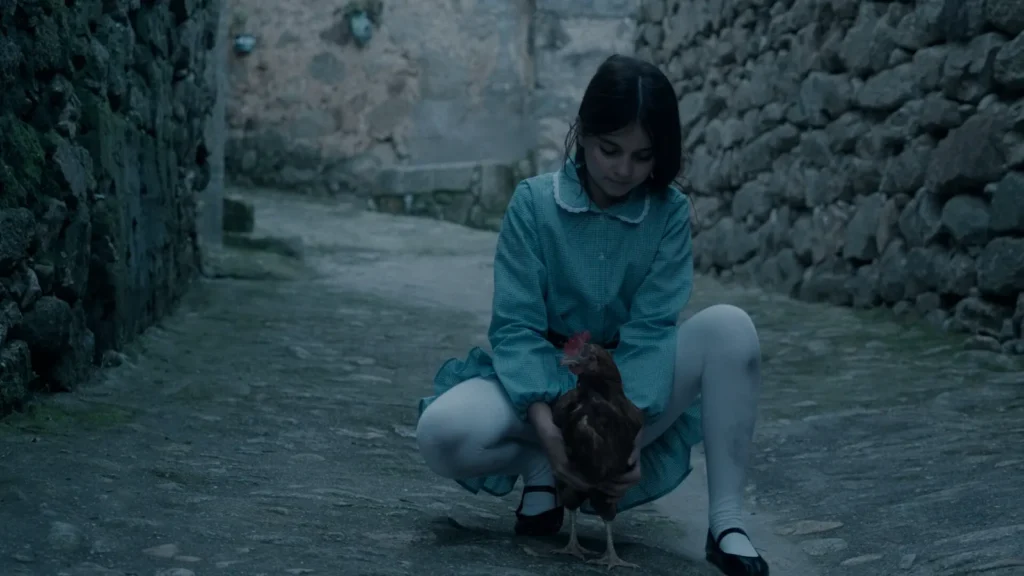
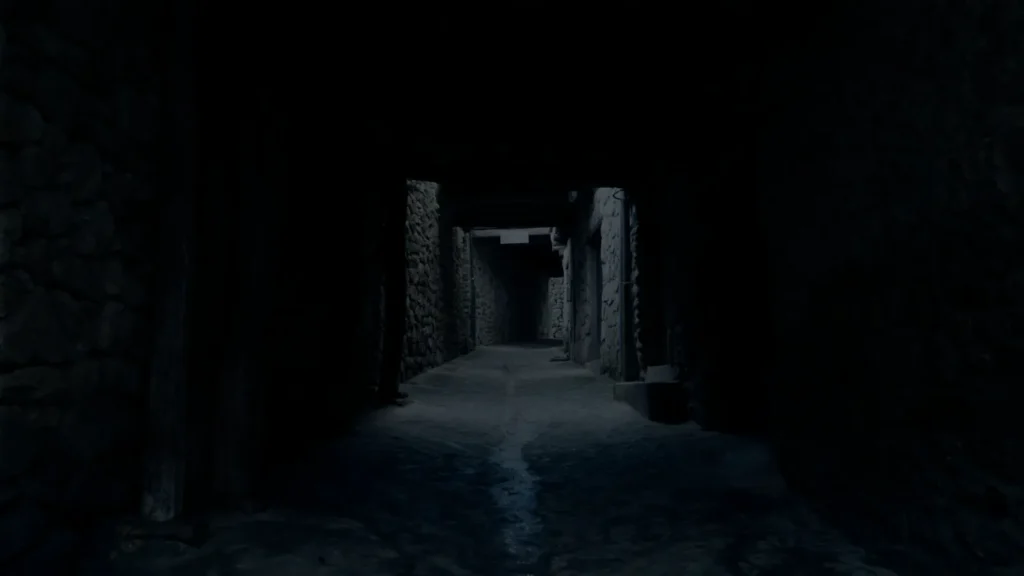
The village of Septeno does not appear on maps, but anyone familiar with the Sierra de Francia could locate it. It is a remote place, at the bottom of a valley, surrounded by dense forests and dirt roads. A village where time seems to stand still, where family relationships are defined by distrust, inheritance, and fear. Everything in Septeno is grounded in reality: the costumes, the houses, and the rituals.
The creatures represent inherited fear—a fear passed from parents to children—and manifest in them. The story explores themes of trauma, ambition, power, the weight of the past, rural memory, and family, while also delving into the invisible. Pedro is the emotional core of the story: a humble landowner shaped by a past accident during the previous Septeno, when his father almost lost his life. He represents rootedness, family continuity, and fear of change. His uncle Tomás, arriving from Madrid with ties to the Franco regime, represents ambition, imposed modernity, and the corruption of familial bonds. Their conflict is both personal and symbolic—a struggle between two visions of the country, power, and fear.
The story is written in a restrained tone, focusing on atmosphere, influenced by mystery, westerns, rural horror, and magical realism. Psychological tension, slow pacing, and observation of the environment are used to enhance the narrative. Having spent much of my childhood in these communities, speaking with locals about the origins of the villages and life in such isolated areas, I wanted to portray the reality of the 1960s: a Spain changing socially, promoting itself as a holiday destination, while in interior regions like the Sierra de Francia, life remained harsh, dependent on agriculture and livestock. Many inhabitants emigrated for a better life, sending money home to survive. Hunger was a constant problem, and the community relied on basic products like potatoes, bread, water, and milk.
Synopsis
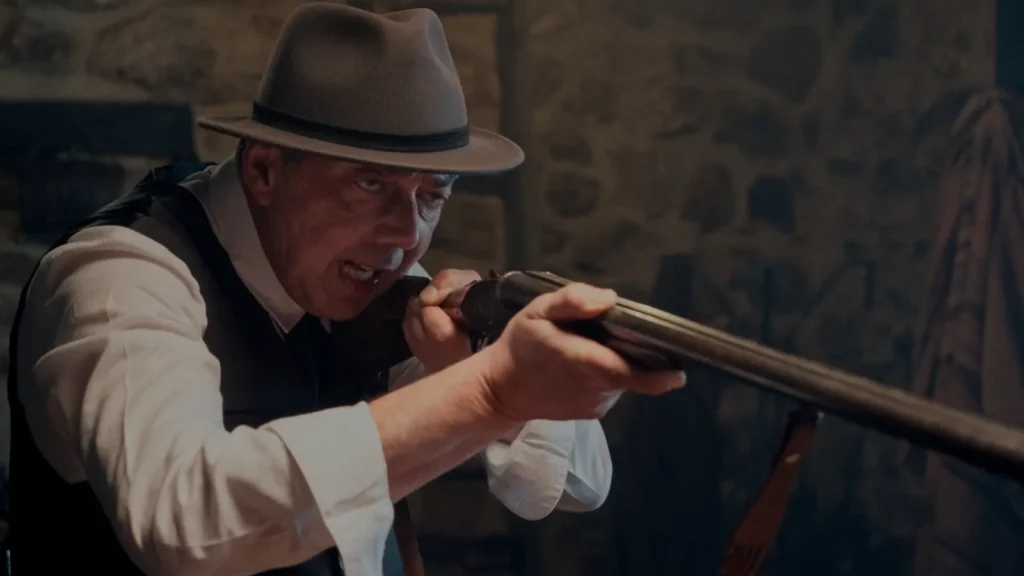
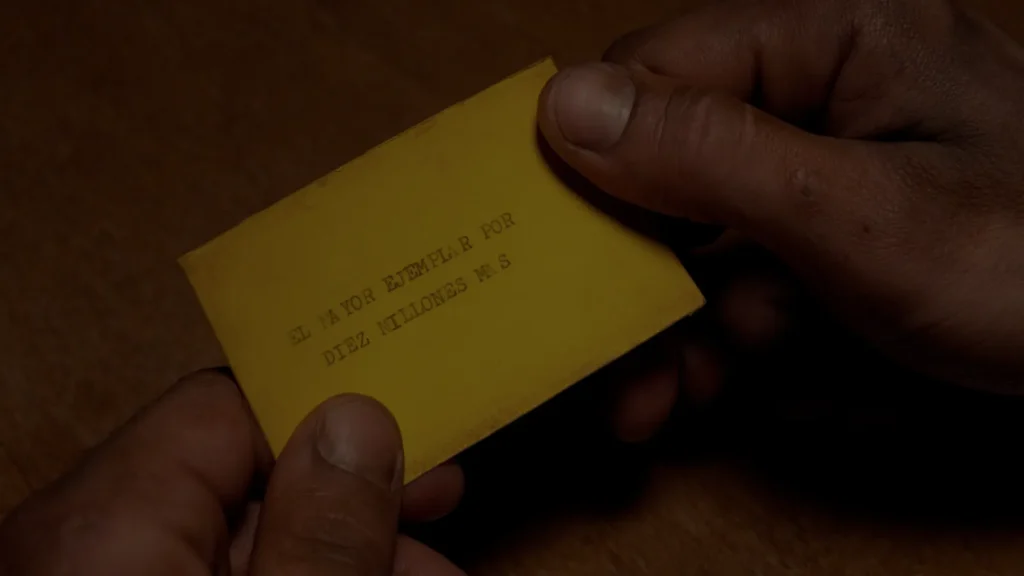
1961. Deep in the forests of the Sierra de Francia, a legend endures. Every seven years, creatures emerging from the woods attack humans, hunting them for food. Pedro, a family man, must confront his uncle Tomás, who arrives from Madrid with a secret mission: to hunt one of these creatures. As the past resurfaces, the legend comes to life. No one is prepared to survive the Septeno.
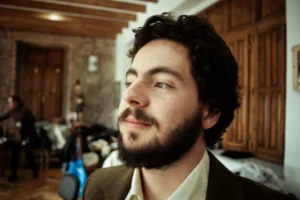
Óscar Pérez
Director
Óscar Pérez (Salamanca, 2000) is a filmmaker, screenwriter, producer, and editor.
He debuted with the short film El Huésped (2022), which won three awards at the Casino de Salamanca Festival —Best Short, Best Screenplay, and Audience Award— and was a finalist at the Rueda con Rueda Festival in Valladolid.
In 2023, he co-directed La Contable, a socially conscious film addressing abuses in artistic educational environments.
His third directorial project, Septeno, is a captivating blend of western and rural horror set in the remote Sierra de Salamanca, serving as a showcase for the feature-length version of the same story.